Scanning as a compositional checkpoint
Finished paper works are scanned at high resolution to capture pigment granularity and collage edges. The scan becomes a checkpoint to evaluate balance before any digital expansion occurs.
A guide to how scanned textures and digital layering extend hand-made mixed media works while preserving the tactile integrity of the original piece.
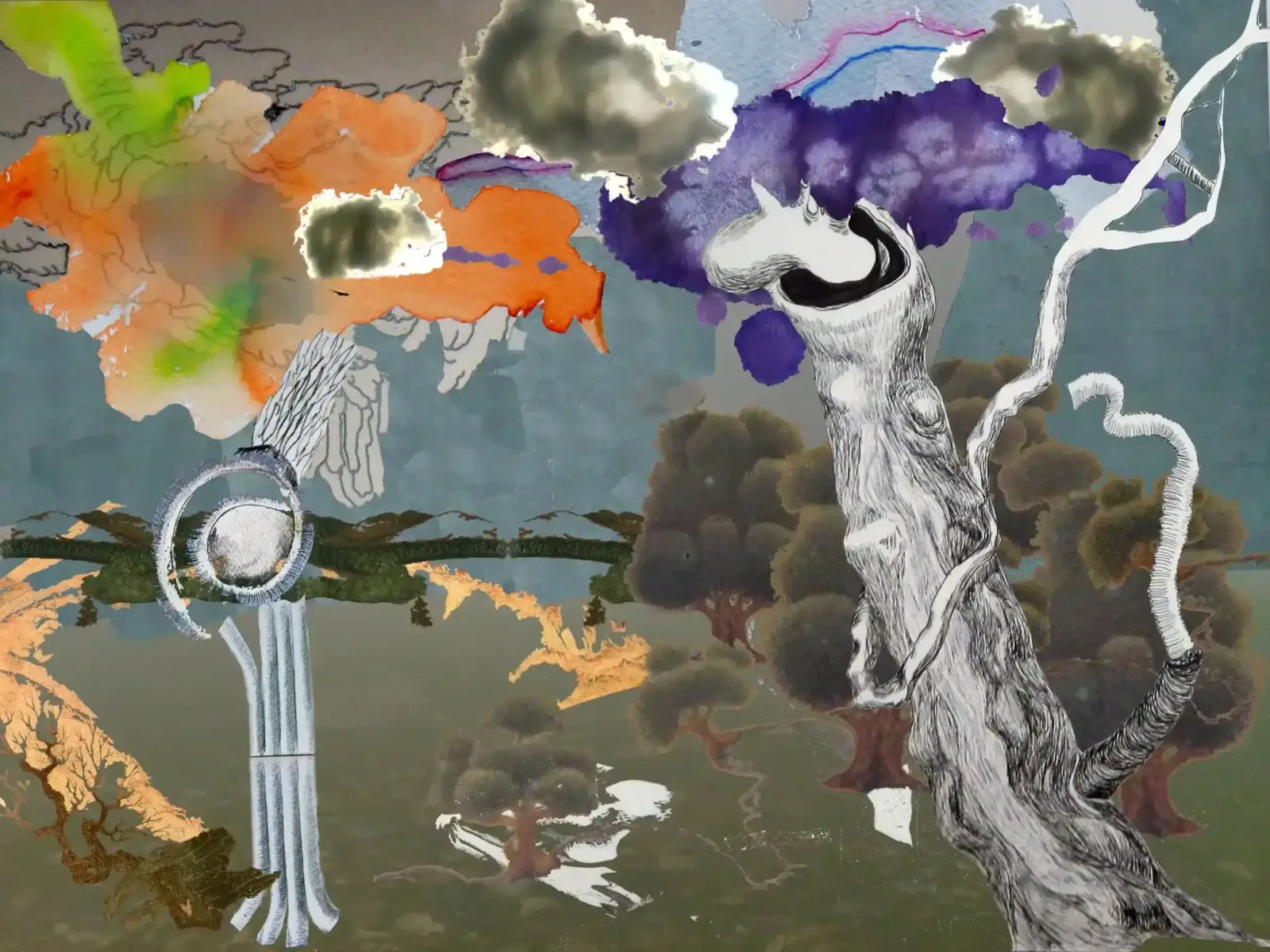
Finished paper works are scanned at high resolution to capture pigment granularity and collage edges. The scan becomes a checkpoint to evaluate balance before any digital expansion occurs.
Digital layers extend the original composition without erasing its hand-made character. New rhythm emerges from duplicated textures, subtle color shifts, and expanded negative space.
Paper, ink, scale, and edition information all matter when considering a digital print. Ask the studio about the production method, print options, and documentation for an individual work.
A digital process can develop alongside physical textures. A scanned surface can become the starting point for new color and compositional experiments.
The relationship depends on the production method and edition. Ask for the edition number, printing technique, and documentation for a specific work.